A healthy, attractive smile is often associated with confidence, but good dental care offers benefits that extend far beyond appearance. A well-rounded oral-care routine can protect your mouth from dental concerns while supporting your overall well-being and keeping your smile looking naturally healthy. Combining proper daily hygiene, routine dental check-ups, and healthy lifestyle choices can help preserve strong teeth and healthy gums for the long term. For those looking for professional guidance, consulting experienced dentists at trusted dental hospitals in Hyderabad can also help address individual oral health needs. But how much can these practices really contribute to achieving a cleaner, healthier, and more radiant smile? Absolutely, when they become part of your regular routine.
The Connection Between Oral Health and General Wellness
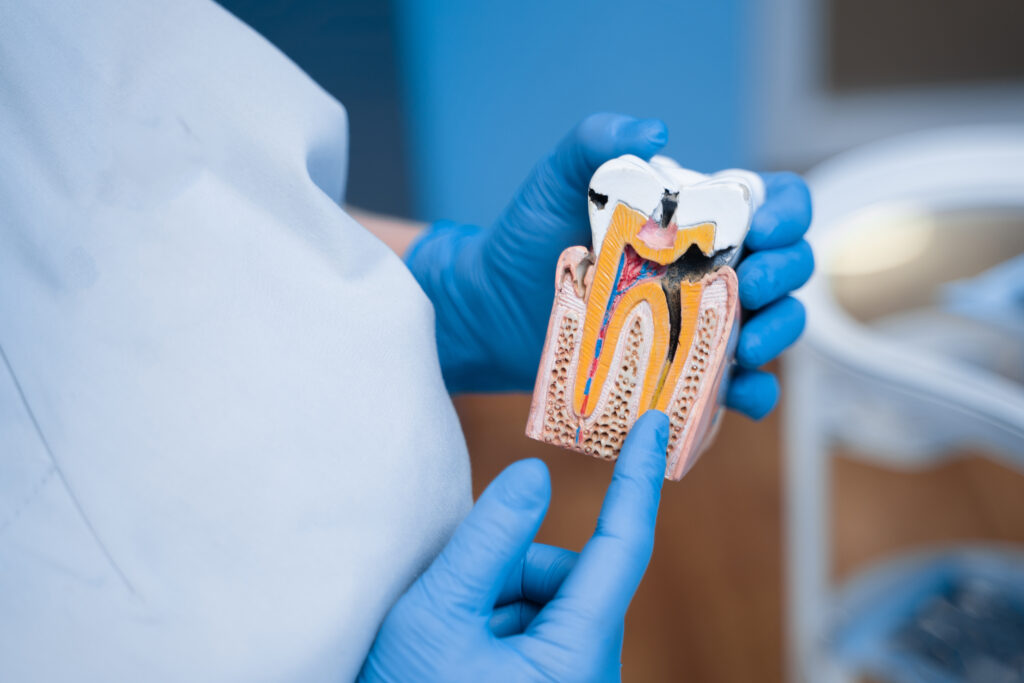
Oral health is closely connected to overall well-being. The mouth contains many types of bacteria, and poor oral hygiene can allow harmful bacteria to multiply and contribute to tooth decay and gum disease.If gum disease progresses without treatment, the resulting inflammation and harmful bacteria can potentially impact overall health.
Good oral health is about more than simply keeping your smile looking clean and attractive. Regular brushing, flossing, and dental examinations can help control plaque, reduce the risk of infections, and support better oral health. If a damaged or infected tooth requires additional care, root canal treatment in Hyderabad may help preserve the natural tooth and restore its function. Making oral care a regular part of your routine can play a valuable role in supporting your overall health and well-being.
Brushing and Flossing: The Foundation of a Bright Smile
Daily brushing and flossing are essential practices for keeping your teeth and gums clean and healthy. Cleaning your teeth twice daily with fluoride toothpaste helps clear away plaque, leftover food, and bacteria that collect on tooth surfaces.. Using a soft-bristled toothbrush can help clean effectively without unnecessarily irritating the gums.
Flossing is equally important because a toothbrush cannot properly clean the narrow spaces between teeth. Food particles and plaque can become trapped in these areas, increasing the likelihood of cavities and gum problems. Regularly cleaning the spaces between your teeth helps keep your gums healthy while reducing plaque and debris that can make your smile look less fresh.
Professional Cleanings and Their Role in Whitening
A professional dental cleaning can remove deposits and buildup that regular brushing and flossing may not fully eliminate. During a cleaning, dental professionals remove hardened tartar and polish the teeth to eliminate certain surface stains. Everyday habits such as drinking coffee, tea, or other strongly colored beverages can contribute to staining, and professional cleaning can help restore some of the teeth’s natural brightness.
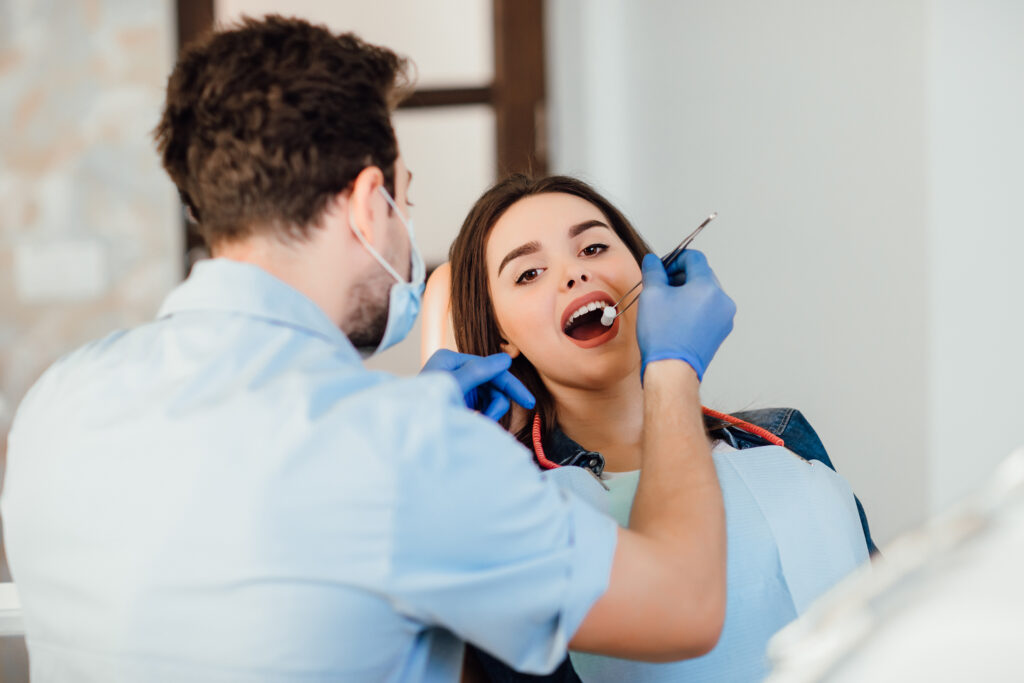
Regular dental check-ups can help identify potential oral health concerns early, before they develop into more complicated problems. Dentists can examine the teeth and gums for cavities, inflammation, damage, and other concerns during routine visits. When additional procedures are needed to prepare the jawbone for dental implants, ridge augmentation treatment in Hyderabad may be considered to improve the available bone structure. Regular appointments can help maintain oral health and ensure that emerging issues are addressed at an appropriate stage.
Diet and Lifestyle Choices That Impact Your Smile
The foods and beverages you consume regularly can have a significant effect on the condition and appearance of your teeth. Consuming sugary foods and acidic drinks too often may weaken the enamel, increasing the risk of decay and other dental problems. Limiting these foods and maintaining good oral hygiene can help protect the tooth surface.
Choosing nutritious foods can also support oral health. Fruits and vegetables provide important nutrients, while dairy products contain calcium and other minerals that help support strong teeth. Drinking plenty of water can help wash away food particles and keep the mouth hydrated. Avoiding tobacco is especially important because tobacco use can contribute to tooth staining, gum disease, and other serious oral health problems.
Cosmetic Dentistry: An Extra Boost for Your Smile
Daily dental care can help maintain a healthy smile, but some people may want to improve specific cosmetic concerns. Cosmetic dentistry provides treatments that can address issues such as tooth discoloration, chips, small gaps, and certain imperfections. Options may include professional teeth whitening, dental veneers, and bonding.
These treatments can improve the appearance of the smile, but maintaining good oral hygiene remains important afterward. Regular brushing, flossing, dental examinations, and appropriate lifestyle habits can help protect both natural teeth and cosmetic dental work for longer.
Building Habits That Last a Lifetime
A healthier and brighter smile is achieved through regular care rather than occasional effort. Brushing in the morning and at night, cleaning between the teeth daily, attending dental check-ups, and making sensible food choices can create lasting benefits. Starting these practices at a young age can help establish lasting habits that support good oral health
Parents can also encourage children to develop good dental habits by demonstrating proper brushing and flossing techniques. Modern oral-care tools, including electric toothbrushes and water flossers, may make maintaining a consistent routine easier for some people.
Conclusion
Good dental care can make a significant difference in both the health and appearance of your smile. Regular brushing and flossing help control plaque, professional cleanings remove tartar and surface stains, and healthy lifestyle choices protect the teeth and gums. When cosmetic treatments are appropriate, they can provide additional improvements to the appearance of the smile.Above all, maintaining a regular oral-care routine can help protect your teeth and gums and support lasting dental health. By making these simple habits part of your daily routine, you can work toward a cleaner, healthier, and naturally brighter smile.