Losing a tooth can feel like a small crisis — affecting your confidence, your ability to chew comfortably, and even the overall structure of your smile. Fortunately, modern dentistry offers several reliable ways to restore what’s missing, with dental implants and bridges being the two most popular options. But how do you decide which one is right for you? The choice isn’t always straightforward, as both approaches have their strengths, limitations, and ideal candidates. In this guide, we’ll break down the key differences between dental implants and bridges so you can make an informed decision with your dentist.
Understanding the Basics
Before comparing the two, it helps to understand what each treatment actually involves.
A dental bridge is a fixed prosthetic that literally “bridges” the gap left by a missing tooth. It consists of one or more artificial teeth (called pontics) anchored in place by crowns placed on the healthy teeth adjacent to the gap. These neighboring teeth, known as abutment teeth, are shaved down to accommodate the crowns, and the entire structure is cemented into place. Traditional bridges are typically made from porcelain fused to metal, or increasingly, from all-ceramic materials that closely mimic natural teeth.
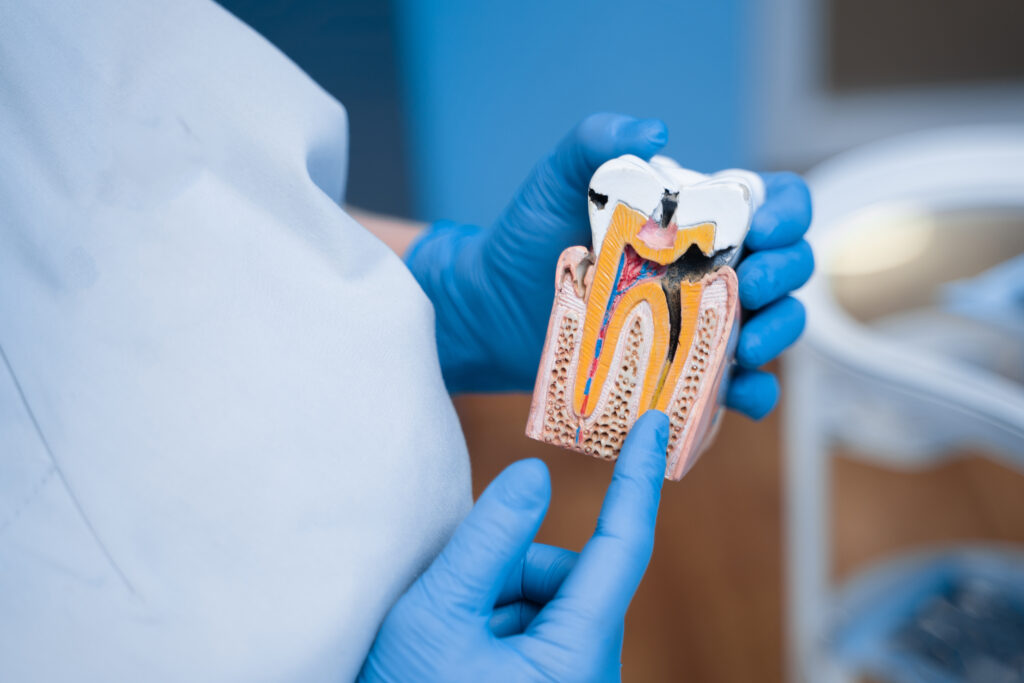
A dental implant, on the other hand, is a small titanium post that is surgically placed into the jawbone, where it acts as an artificial tooth root. Over several months, the bone fuses with the implant in a process called osseointegration. Once healed, an abutment is attached to the post, and a custom-made crown is secured on top. The result is a replacement tooth that looks, feels, and functions remarkably like a natural one.
Longevity and Durability
One of the most significant differences between the two lies in how long they last.
Dental implants are widely considered the most durable tooth replacement option available. With proper oral hygiene and regular dental checkups, implants can last 20 years or more — and many studies suggest they can last a lifetime. The titanium post integrates with your bone, making it incredibly stable and resistant to the wear and tear of daily chewing.
Bridges, by comparison, typically last between 5 and 15 years, depending on the materials used and how well you care for them. The main reason bridges don’t last as long is that the anchoring crowns on adjacent teeth can eventually fail, loosen, or develop decay at the margins. When this happens, the entire bridge may need to be replaced.
If you’re looking for a long-term, potentially permanent solution, implants have a clear advantage.
Impact on Neighboring Teeth
This is where the two approaches diverge most dramatically in terms of oral health.
With a traditional bridge, the dentist must grind down the two healthy teeth on either side of the gap to create room for the anchoring crowns. This permanently alters perfectly healthy enamel — you can never go back to having those teeth untouched. In some cases, this can weaken the teeth or make them more susceptible to sensitivity and decay over time.
Implants, by contrast, leave your neighboring teeth completely untouched. Because the implant stands on its own in the jawbone, there’s no need to involve adjacent healthy teeth at all. This is widely considered a major advantage, as it preserves your natural tooth structure and keeps healthy teeth strong.
Bone Health and Jaw Preservation
When you lose a tooth, the underlying jawbone begins to shrink because it no longer receives the stimulation that chewing provides. This process, called bone resorption, can lead to a sunken appearance in the face over time and can complicate future dental work.
Implants are the only tooth replacement option that stimulates the jawbone the way a natural root does. The titanium post acts as a root, and the pressure from chewing is transmitted down into the bone, helping to maintain its density and volume. This is a major reason many dental professionals consider implants the gold standard.
Bridges, however, do nothing to preserve the bone beneath the missing tooth. The bone continues to resorb over time, which can change the shape of your face and affect the fit of the bridge and surrounding teeth. If you later decide to get an implant in that spot, bone grafting may be necessary.
The Procedure and Recovery
The treatment experience differs significantly between the two options.
Getting a bridge is typically a straightforward, nonsurgical process. In most cases, it requires two appointments spread over two to three weeks. At the first visit, the abutment teeth are prepared and impressions are taken. You’ll wear a temporary bridge while the permanent one is being fabricated, then return for placement. The entire process is relatively comfortable, with little to no downtime.
Implants require oral surgery and a more involved timeline. After the post is placed, you’ll need several months for the bone to fuse with the implant before the crown can be attached. This means the total treatment time can range from three to six months, or longer if bone grafting is needed. There is also a recovery period after surgery, during which you may experience some swelling, discomfort, and dietary restrictions.
Cost Considerations
Cost is often a deciding factor for many patients, and here the two options differ considerably.
Bridges are generally less expensive upfront. A single bridge may cost anywhere from ₹8,000 to ₹20,000 per tooth in India, with the final price depending on the material chosen — metal-based bridges being more affordable and all-ceramic or zirconia options costing more. At premium clinics in metro cities, costs can be higher.
Implants carry a higher initial price tag. A single implant can range from ₹25,000 to ₹50,000 for the post itself, with the abutment and crown adding another ₹15,000 to ₹40,000 or more depending on the brand and material. All-in, a single implant often ranges from ₹40,000 to ₹90,000 — and that’s before factoring in any bone grafting or other preparatory procedures. Imported implant brands like Straumann or Nobel Biocare typically cost more than domestic options.
However, it’s important to think about the long-term economics. Because implants last far longer and protect adjacent teeth, they may actually be more cost-effective over your lifetime. A bridge that needs replacing every 10 to 15 years can add up, and the damage done to abutment teeth can lead to additional costs down the road.
Aesthetics and Comfort
Both options can look natural, but there are subtle differences in how they feel and appear.
Modern bridges, especially those made from all-ceramic materials, can be beautifully crafted to match your surrounding teeth. They fill the gap and restore your smile effectively. However, the anchoring crowns can sometimes be slightly bulkier than natural teeth, and keeping the area clean beneath the bridge can be challenging, which may lead to gum issues over time.
Implants are often considered the closest match to a natural tooth in terms of both look and feel. Because the crown sits at gum level on its own root, there’s no visible metal or bulky anchor, and the bite sensation is much more like a real tooth. Many patients report that implants don’t feel foreign at all.
Which One Is Right for You?
The best choice depends on your individual circumstances. Here’s a quick guide:
An implant may be the better choice if you:
- Are looking for a long-term or permanent solution
- Want to preserve your healthy adjacent teeth
- Are concerned about maintaining your jawbone
- Are willing to invest more time and money upfront for better long-term outcomes
- Have sufficient jawbone density (or are open to bone grafting)
- Are in generally good health and can undergo minor surgery
A bridge may be more appropriate if you:
- Are looking for a faster, less invasive solution
- Have a tighter budget
- Have compromised health that makes surgery risky
- Have insufficient bone and don’t want a graft
- Have teeth adjacent to the gap that already need crowns
Conclusion
There’s no universally “best” option — only the option that’s best for you. Implants offer superior longevity, preserved jawbone health, and protection for neighboring teeth, but they require surgery, a longer timeline, and a bigger initial investment. Bridges are quicker, less expensive, and less invasive, but they come with a shorter lifespan and require altering healthy teeth.
The most important step is to schedule a thorough consultation with your dentist. They can evaluate your oral health, take imaging to assess your bone density, and help you weigh the pros and cons in light of your specific situation, budget, and long-term goals. Your smile is an investment — take the time to choose the option that will serve you best for years to come.