What Is Orthodontic Restoration?
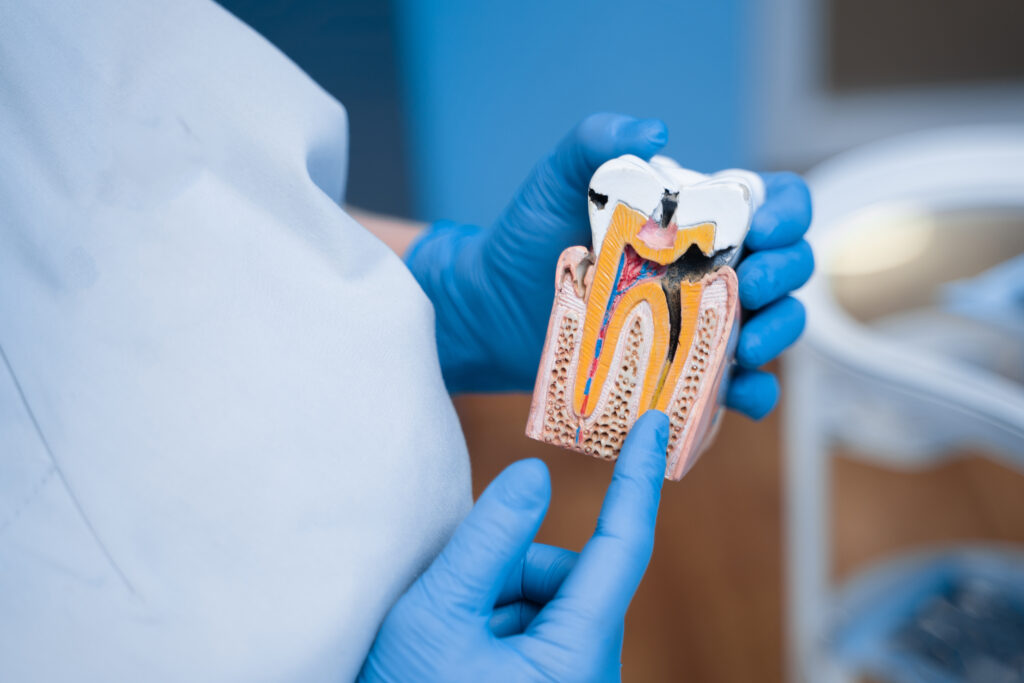
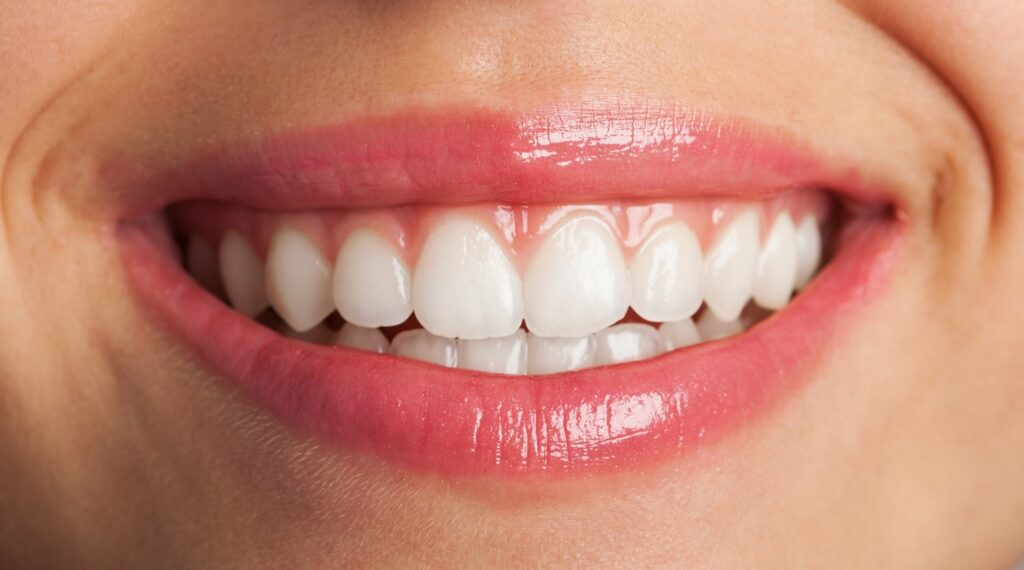
Orthodontic restoration involves dental procedures that improve tooth alignment and address irregularities in the way the upper and lower teeth meet. Depending on the condition, treatment may involve braces, transparent aligners, retainers, or other orthodontic appliances. Moving teeth into more suitable positions can improve both smile appearance and oral function. Orthodontic restoration & dental health are closely related because well-aligned teeth can be easier to brush, floss, and care for properly. For maintaining healthy gums alongside orthodontic care, dental hospitals in Hyderabad can also help support proper oral hygiene.
Common Dental Health Issues Addressed by Orthodontic Restoration
Poor tooth alignment can affect more than the appearance of a smile. Teeth that overlap, remain crowded, have excessive spaces, or meet unevenly can create difficulties with everyday oral care. Areas between crowded teeth may be harder to clean, allowing plaque to remain and potentially contributing to cavities and gum problems. An uneven bite may also place excessive pressure on particular teeth and contribute to discomfort or abnormal wear. Orthodontic treatment can help improve tooth positioning and create a healthier relationship between the teeth and jaws.
Symptoms and Signs Indicating the Need for Orthodontic Restoration
Certain changes in the teeth and jaw may suggest that an orthodontic assessment is needed. Noticeable crowding, overlapping teeth, unusual spaces, or teeth that appear rotated can be signs of an alignment concern. Some people may experience difficulty chewing, repeatedly bite their cheeks or tongue, or notice changes in speech. Jaw tenderness, clicking, or popping may also occur alongside bite irregularities. If these signs persist, a dental professional can examine the teeth and determine whether orthodontic treatment could be beneficial. Regular oral care, including dental gum cleaning in Hyderabad, can also help maintain healthy gums during orthodontic treatment.
Causes and Risk Factors for Dental Misalignment
Tooth misalignment can develop because of several factors, and genetics can have a significant influence. The inherited size and shape of the jaw, along with the size and position of the teeth, can affect how they eventually align. Certain childhood habits, including prolonged thumb-sucking, may also influence dental development. Premature loss of primary teeth, oral injuries, missing teeth, extra teeth, and differences between jaw and tooth size can contribute to an uneven bite. Routine dental visits can help identify developing alignment concerns before they become more difficult to manage.
Diagnosis: How Dental Professionals Assess the Need for Orthodontic Restoration
An orthodontic assessment involves more than simply looking at whether teeth appear straight. The dentist or orthodontist examines tooth position, jaw development, bite relationships, and the condition of the surrounding tissues. Information about previous dental treatment and current symptoms may also be discussed. Depending on the case, dental X-rays, photographs, digital scans, or impressions may be taken to provide a clearer view of the teeth and supporting structures. After reviewing the findings, the dental professional can determine whether orthodontic care is suitable and develop an individualized treatment approach. If additional procedures are required, laser dental treatment in Hyderabad may be considered depending on the patient’s specific oral health needs.
Treatment Options: Braces, Aligners, Retainers, and Other Modern Solutions
Orthodontic care now includes several treatment choices. Conventional braces use brackets and archwires to gradually apply pressure and reposition teeth. Clear aligners use a series of removable trays that are designed to move selected teeth progressively and offer a less noticeable alternative. Retainers are generally used after active treatment to help teeth remain in their corrected positions. Some patients may also require appliances such as expanders to address specific developmental or bite concerns. The recommended option depends on the complexity of the case, oral health, age, and desired treatment outcome.
Lifestyle Guidance: Oral Hygiene Tips During and After Orthodontic Restoration
Daily oral care becomes particularly important when orthodontic appliances are being used. Brackets and wires can create additional spaces where food debris and plaque may collect. Teeth should be cleaned carefully with fluoride toothpaste and a soft toothbrush, while cleaning between the teeth should be performed every day. Special flossing tools or interdental cleaners can make this easier when conventional floss is difficult to use. Hard, sticky, and chewy foods may need to be avoided by patients wearing braces. Regular professional examinations and cleanings also help maintain healthy teeth and gums throughout treatment.
Prevention: How to Maintain Dental Health and Prevent Future Issues
Maintaining orthodontic results requires continued attention after treatment ends. Consistent brushing and flossing, sensible dietary choices, and regular dental appointments can help protect the teeth from decay and gum problems. A mouthguard can provide additional protection during sports or activities where dental injuries are possible. Retainers should be worn according to the orthodontist’s recommendations because teeth can gradually move when retention is discontinued. These simple habits can help preserve tooth alignment and support lasting oral health.
Conclusion: Take the Next Step for Your Dental Health
Orthodontic restoration & dental health work together to support proper tooth alignment, effective oral hygiene, and comfortable bite function. Misalignment can sometimes affect cleaning, chewing, speech, and the amount of pressure placed on individual teeth. If you notice crowded teeth, unusual spaces, bite difficulties, or jaw-related symptoms, an orthodontic consultation can help identify the cause. Professional evaluation allows the most appropriate treatment to be selected according to your dental needs and long-term oral health goals.